
V4N2: The State of the Arts of Digital
By Dena Elisabeth Eber | July 18, 2013
Framing the State
We are presently experiencing a cultural shift in the evolution of how we use digital tools in all art forms, one that I believe the art world is still struggling to understand. In 1995, when an artist used a computer in any way, she was known as a computer artist, which then meant that the artist used a computer. This held even if she was ultimately creating photographs, fabric designs, or paintings, but happened to incorporate a computer in her process. Today, using a computer in traditional art making is mainstream practice. By traditional I mean those art practices that were established during the pre-digital era. Although I do not like to categorize art as I believe it can exist free from predefined boundaries, I find it necessary in this case in order to explain digital aesthetics, or a digital artistic language. As explained by Lev Manovich, the mid 1990’s signified a number of changes that impacted how the art world embraced the computer as an art tool. Among them, the World Wide Web (WWW) became a vehicle for a type of artwork unique to the medium. Artists such as Olia Lialina (My Boyfriend Came Back From the War) and collaborators such as Jon Ippolito, Keith Frank, and Janet Cohen (The Unreliable Archivist) were making works that relied on the WWW and how it functioned as a networked interface for immediate transfer, gathering, and sharing of information. Thus, for artists the computer became a “universal media machine” that looked more like a multi-media art studio than a computer. The unique art forms such as net art were now considered digitally based, extending beyond the preconceived idea of computer art. Labels abound. The computer artist of yesterday is today’s digital artist; yet I am not sure we really know what constitutes digital art, be it visual, time based, aural, or any combination of the above. Given this framework, I will define and examine the state of digital arts inside the larger art continuum.
Within the broader culture, we are still developing the appropriate language to describe digital media. Indeed, the entire impetus behind Lev Manovich’s Language of New Media is to attempt to create “both a record, and a theory, of the present.” That is, the book serves to capture what new media means to society for a given point in time. Likewise, the role of digital media in the arts changes with time and with cultural acceptance. Manovich further states that he aims “to describe and understand the logic driving the development of the language of new media.” In Manovich’s examination of new media language, he seeks to describe it and thus define its cultural role in contemporary society with the understanding that it will change in the future.
Lev Manovich’s reading of new media is relevant to understanding where we situate digital arts within the art realm. In particular, where digital arts are today is an understanding of it in this moment, with the assumption that it will transform with newer technology in the future. Because digital arts includes new media and what is new today will not be new tomorrow, it follows that the nature of digital arts has been, is now, and will continue to be, in constant flux.
Perhaps these definitions and labels seem insignificant at first, however, defining the characteristics of a discipline is especially important to digital artists so they may grasp the implications of their ever-shifting artistic “language,” which includes the cultural aesthetics surrounding new technologies such as podcasting, gaming, and digital interactivity. Comprehension of how digital media becomes part of the cultural landscape elicits an understanding that in turn allows artists to fully capitalize on works that exist in new formats for new audiences in ever-changing settings. For example, artists can create artistic podcasts that viewers can listen to and watch on demand in differing locations and situations, which presents a new set of problems to solve. How does the artist consider this variation in consumption? What kind of work does an artist make for a small portable screen? What kind of commentary makes sense for this new facet of our culture? It is true that digital media makes things such as image manipulation, video editing, and word processing easier and thus more accessible, but digital tools also create new aesthetics that forge paths to unique ways of thinking.
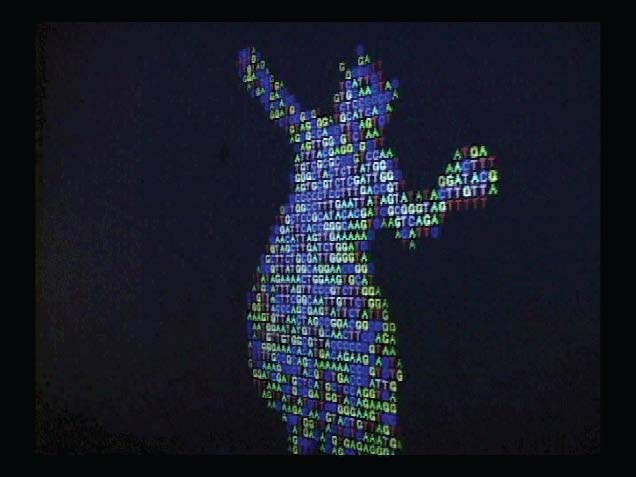
Figure 1 Text Rain, by Camille Utterback
Digital gaming is another case in point. Gaming is not new, but using digital media to make and play games is. The characteristics of such game play are addressed fully in First Person: New Media as Story, Performance and Game. The editors explain that game play is, in some cases, central to the experience over the embedded story.
However, this is not always the case and the book investigates qualities that could be related to the media. In her essay, Camille Utterback examines a number of interactive digital works, including her own, to make an argument for embodiment, or the presence of the physical self, in artistic digital games. At times artists do not capitalize on the digital opportunities for such embodiment, but Utterback’s works such as Text Rain (See Figure 1 Text Rain, by Camille Utterback). and Drawing from Life10 (Figure 2 Drawing from Life, by Camille Utterback) show how this can be done.11 In both cases, the participant uses his body to interact with a work whose interface is invisible, made possible by digital means. These examples undoubtedly characterize one unique facet of digital media art and serve as a glimpse of the state of the contemporary digital arts genre.
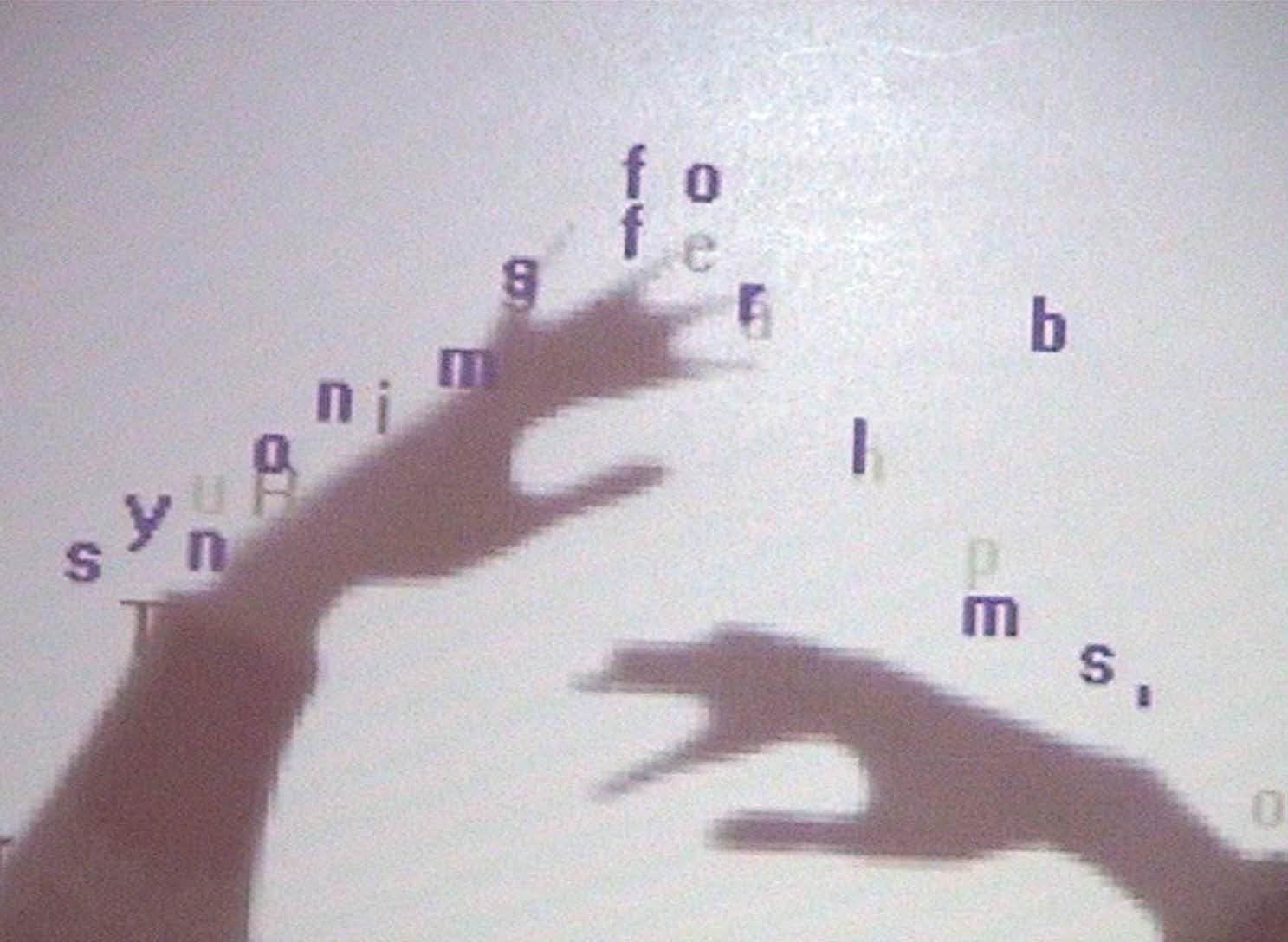
Figure 2 Drawing from Life, by Camille Utterback
The Rate of Change Factor
What comprises the rest of digital arts is certainly influenced by the tools available at the moment. The speed of innovation in digital media puts an interesting “in the rough” twist on digital art, which suggests that the work is never really complete. Much like Utterback’s works, the newest technologies and ways of using them not only extend the artistic continuum, but they afford new ways of thinking and delivering creative content and art. Thus, even work that is finished is still work in progress as new technologies extend the implications of digital artworks.
New applications of existing technologies such as Blogs, iPods, picture phones, and MySpace are examples of how changes in digital media applications can qualitatively change how and what information we create, transmit, and receive. Suggestions of consumer power and knowledge are embedded in these media shifts, thus art works that incorporate newer technologies often reflect these changes. In an interview with Andrew Hershberger, the photography historian Gretchen Garner alludes to this impact and how imaging technology has changed a broad range of cultural ideals and practices from personal identity to the conduct of war.
GARNER: With the boom in digital imaging devices, a camera in the hands of everyone (even if it is a phone), a new age of photography seems to be dawning. From daily self-portrait postings by young bloggers to digital photos that revealed torture at the Abu Ghraib Prison in Iraq, the new digital images are proliferating and having a powerful effect on public life. Specifically aesthetic, academic, or art-world photography will continue to interest a group of connoisseurs, and some historians will prefer to place their emphasis there, but those who want to write the broad-stroke histories will take much more into account such as how the technology of imaging has affected commerce, medicine, science, personal identity, and even the conduct of war.12
Garner’s ideas about how changes in technology influence our thinking is exactly how it affects art making. What I suggest is that because of the fast and constant change in technology, we are now, and will always be, struggling with how to understand where digital arts sit on the art continuum. This, I believe, is a function of the rate of change in digital media. The new media of today will be old tomorrow, and tomorrow’s new media will be novel fodder for digital artists. Artists and educators are constantly challenged to be creative with an ever-changing paintbrush. What to do with that paintbrush and where to situate it within the art and academic world will therefore constantly be transformed.
The Academic Factor
It is clear that insight into the current state of digital arts is important for artists, but it is also important in the academy. Whether it is ideal or not, schools, departments, and areas have ideas about what they teach and what equipment and space belong to them. Where a discipline sits on the art continuum in the eyes of a given school determines who teaches it, in what way, and with what equipment. When a discipline keeps shifting, the academic classification can get muddy. For example, a digital media arts professor who has taught digital painting since the 1990’s is now challenged by other faculty to continue that course within the digital media offerings. As digital painting becomes a common component of traditional painting, the area that offers the course comes into question. Further, those who want to teach the same course offerings in their traditional media classes might now challenge the three-year replacement cycle for the computers in the digital arts area and ask that the same practice be applied to them. Certain forms of digital media are now a component in many traditional media practices.
This forces one to question if topics such as digital photography or digital painting are any longer digital arts. Conceivably, many in the art world see disciplines such as these as newer branches of traditional practices. It is possible that within this context, digital media that are used in traditional areas will become invisible as a distinct practice. As practitioners of a discipline adapt new practices, it becomes part of the identity of the discipline and no longer resides outside as a foreign practice. This possibility might exist in some instances, but only in the form of select practices. It is also possible that it will force digital arts to specialize in the unique art forms that fit only within its own genre. Ideally, there would be a seamless blend where labels, disciplines, and areas do not matter, but I do not see that happening. Although there are people and select programs that claim to be interdisciplinary, most artists and art programs maintain identities in one or maybe two disciplines. This identity helps define aesthetics and methods acceptable to a given group of people. We are then ultimately forced to question if there will be a digital arts programs in ten or twenty years.
The State of Digital Arts
Because historically, digital arts has embraced the new technologies of the time while perfecting those of the past, I believe that digital arts as a genre will be alive and thriving in ten years, in twenty years, and into the future and will include all that is digital. I see it as having two distinct functions that are currently, and will continue to be, characterized by flux and defined by the rate of change of technology. The first will exist on the fringe of the art world, embracing, exploring, incorporating, and translating the newest digital media for the given time. Those on this edge today are making art using sites like Second Life13 or using technologies associated with iPods and picture phones as art forms. Although the aesthetics for this type of art are not yet fully defined, artists with screen names such as Starax Statosky, Cheen Pitney, and Stella Costello are already using Second Life to create and display art. In the recent past this edge included artistic video gaming and before that, three-dimensional animation. Web art, desktop interactive, digital painting, and digital photography by artists such as Nancy Burson, Lillian Schwartz, and James Whitney are examples of what defined that edge in the distant past. Based on this list, those who adopt what is temporarily new disseminate to the rest of the digital public the language or the implications of the technologies as an art practice. Once dispersed, these applications are still within the realm of digital arts, but they are also part of traditional media. As with any “quality” work of art, time renders maturity and sophistication, and artists are still defining aesthetics, even with the “older” digital technologies. It then becomes the task of the second function to embrace this uncertainty and flux.
Once the new media are no longer new, I hope that we have learned not only how they are used, but also what they imply. Over time, other digital artists perfect technique and language that translates to other artists and a larger audience. This second facet of digital arts often acts as the bridge to incorporate the media into traditional art forms. In some cases, the practice will disappear from digital arts and reside as common practice within the arts. Other times, it will remain the bridge, holding its own flavor of aesthetics and practices that bend in a slightly different direction than the traditional practice. This bridge is important because digital arts will continue to fluctuate, as many facets of it are not secure within its own genre. Meanwhile, traditional areas will adapt portions of digital arts without fully embracing them.
This dynamic of the cutting edge becoming traditional is best illustrated by examining the role of digital photography in the photographic community through two artists, Maggie Taylor (Figure 3) and Loretta Lux (Figure 4).
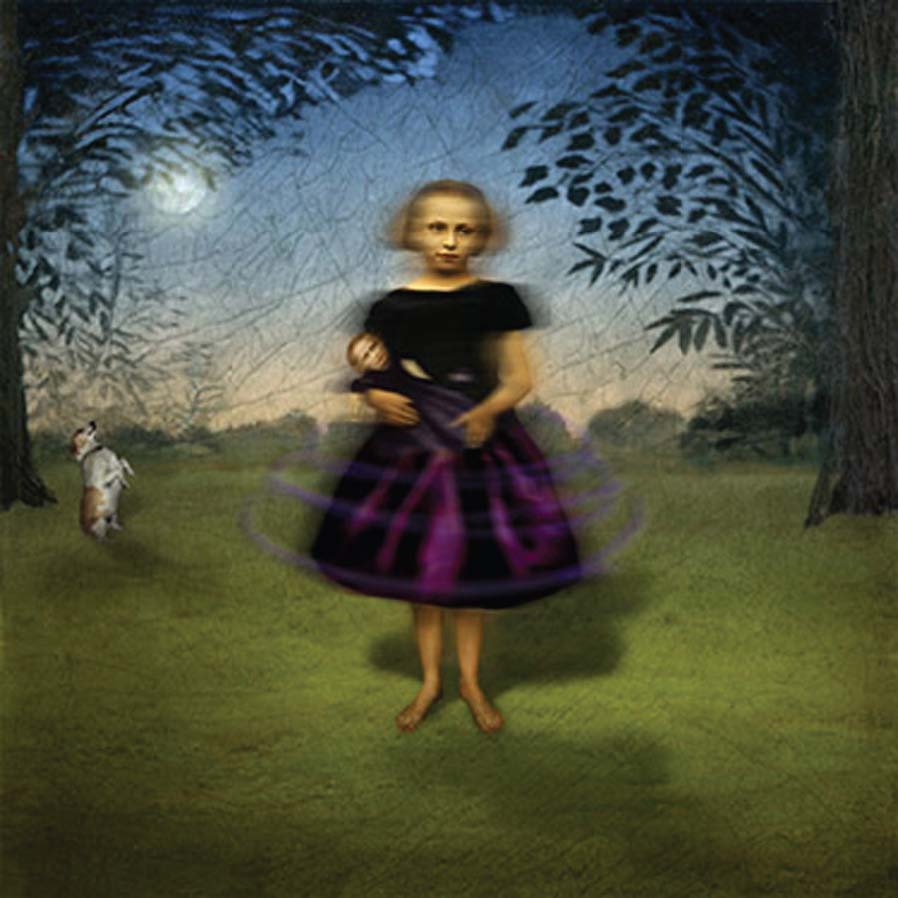
Figure 3 Abdullah’s Prayer, Maggie Taylor, 2003
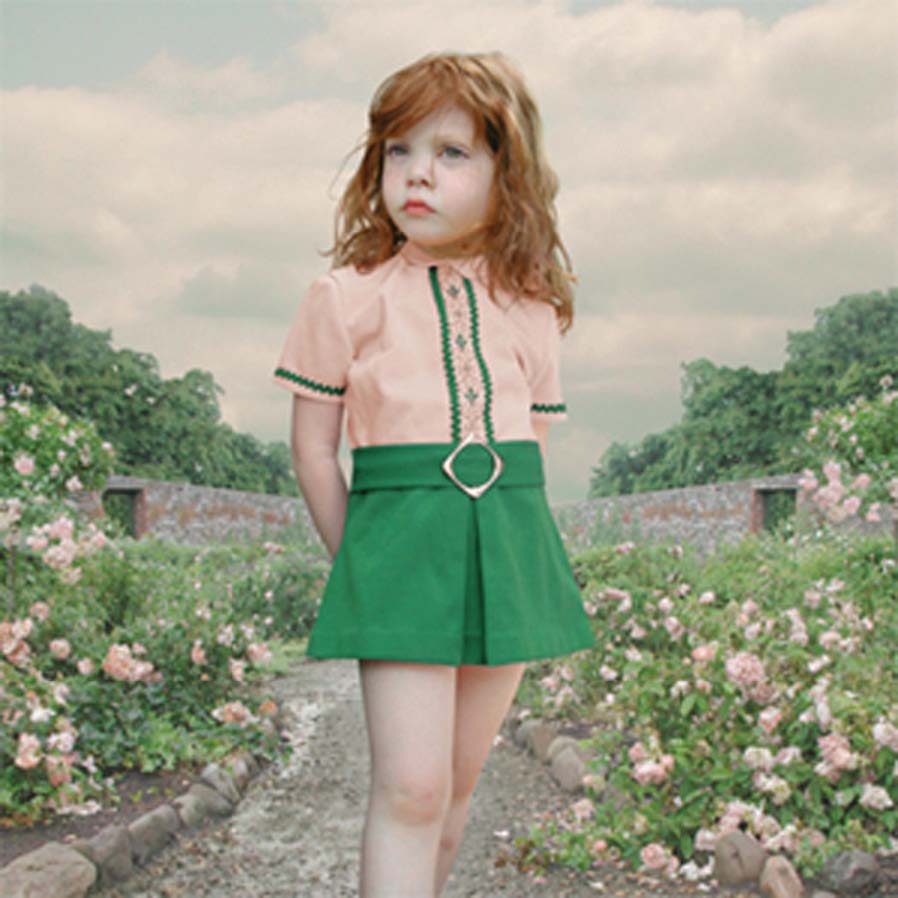
Figure 4 The Rose Garden, by Loretta Lux, 2001
Both artists use digital media to produce photographic images and both have received recognition within the art world, albeit different segments of that world. Maggie Taylor acquires old images and photographs new ones, making seamless montages that result in revealing portraits. Her works are highly manipulated and constructed, but follow aesthetics for portraiture (Figure 3 Abdullah’s Prayer). Her art is highly acclaimed among those who appreciate digital images, but not embraced by the photographic community and is not widely known among those who work in “purer” digital art forms such as gaming or animation. Perhaps her methods challenge traditional photographic practices that question the identity of the medium.14
Loretta Lux (Figure 4 The Rose Garden), on the other hand, also uses digital means to create poignant portraits that have won her numerous awards and publications, but her methods adhere more closely to traditional photographic practice.
Her portraits are just as telling as Taylor’s; however, the children depicted appear to be actual people as opposed to Taylor’s seemingly constructed characters. Her manipulations are not so obvious and her works include nothing acquired. This methodological approach has not kept from her recognition in the field of photography, as evidenced by her Aperture publication and her International Center for Photography’s “Infinity Award” for 2005.
In the contrast between these two photographers we see the push and pull of photography in the academic setting. In a 2004 survey conducted at the Midwest region of the Society for Photographic Education, Gretchen Garner asked how the members and institutions were changing curriculum given the impact of digital media. Most felt that basic black-and-white darkroom techniques were necessary at the beginning level, but chemistry based practices were not necessary at the advanced level.15 It is clear from this that photographic educators are embracing digital media, but given Taylor’s reception, only with a certain aesthetic approach. Taylor’s work thus resides on that bridge between the purely digital and photographic practices, the very bridge that characterizes the second facet of digital arts. The scenario in photography is mimicked throughout traditional art areas, thus perpetuating the need for the “digital bridge” within digital arts as paramount.
Regardless of whether the art incorporates older or newer digital technologies or applications, it has now and will have in the future, a place in digital arts. The medium will be the lightning rod for new media and act as a disseminator of language and implications connected with it. Digital arts will also embrace the digital edge of yesterday and continue to evaluate and define aesthetics as they redefine themselves in light of a shifting technological landscape. Digital arts will bridge the difference between traditional practices and newer ways of art making while practitioners come to terms with technological and aesthetic challenges to their medium’s identity. The state of digital arts is now and will continue to be about flux and rapid change while framing success in grounded artistic practice and expression.
Footnotes
- Lev Manovich, The Language of New Media (Cambridge: MIT Press, 2001), 31.
- For documentation of this work, see Olia Lialina, “Last Real Net Art Museum” http://myboyfriendcamebackfromth.ewar.ru/ (accessed April 6, 2007).
- For documentation of this work, see Jon Ippolito, “ZKM online, Net_Connection” http://on1.zkm.de/netcondition/projects/project12/bio_e (accessed April 6, 2007).
- Manovich, 31.
- Ibid., 33.
- Ibid., 34.
- Noah Wardrip-Fruin and Pat Harrigan, eds. First Person : New Media as Story, Performance, and Game (Cambridge: MIT Press, 2004).
- Ibid., xi.
- For documentation of this work, see Cammille Utterback. “Camille Utterback,” http://www.camilleutterback.com/textrain.html (accessed April 4, 2007).
- For documentation of this work, see Cammille Utterback, Camille Utterback, http://www.camilleutterback.com/textrain.html (accessed April 4, 2007).
- Camille Utterback, “Unusual Positions-Embodied Interaction with Symbolic Spaces,” in First Person: New Media as Story, Performance, and Game, eds. Noah Wardrip-Fruin and Pat Harrigan (Cambridge: MIT Press, 2004), 218-226.
- Andrew E. Hershberger, “The Past, Present and Future of the History of Photography: Interviews with Peter C. Bunnell, Gretchen Garner, and Britt Salvesen,” History of Photography 30, no. 3 (Autumn 2006), 205.
- Second Life is a 3-D virtual world that is created by those who “inhabit” the space. Members create characters, spaces, buildings and objects with items they buy, sell, and trade using real financial transactions. See Linden Research, Inc. “Second Life,” http://secondlife.com/ (accessed April 4, 2007).
- The photography historian Andrew Hershberger shared this speculation with me in January of 2007.
- Gretchen Garner, “Silver and Ink: State of the Teaching Art: A Survey of Members of the Midwest SPE, Fall 2004,” Exposure 38, no. 1 (2005), 26-31.
Bibliography
Manovich, Lev. The Language of New Media. Cambridge: MIT Press, 2001.
Lialina, Olia. “Last Real Net Art Museum” http://myboyfriendcamebackfromth.ewar.ru/ (accessed April 6, 2007).
Ippolito, Jon. “ZKM online, Net_Connection” http://on1.zkm.de/netcondition/projects/project12/bio_e (accessed April 6, 2007).
Wardrip-Fruin, Noah and Harrigan, Pat, eds. First Person : New Media as Story, Performance, and Game. Cambridge: MIT Press, 2004.
Utterback, Cammille. Camille Utterback, http://www.camilleutterback.com/textrain.html (accessed April 4, 2007).
Utterback, Camille. “Unusual Positions-Embodied Interaction with Symbolic Spaces.” In First Person: New Media as Story, Performance, and Game, eds. Noah Wardrip-Fruin and Pat Harrigan. Cambridge: MIT Press, 2004.
Hershberger, Andrew E..”The Past, Present and Future of the History of Photography: Interviews with Peter C. Bunnell, Gretchen Garner, and Britt Salvesen,” History of Photography 30, no. 3 (Autumn 2006), 205.
Linden Research, Inc. “Second Life,” http://secondlife.com/ (accessed April 4, 2007).
Garner, Gretchen. “Silver and Ink: State of the Teaching Art: A Survey of Members of the Midwest SPE, Fall 2004.” Exposure 38, no. 1 (2005), 26-31.